
DayUse Integration Guide: Monetize Daytime Hotel Inventory
DayUse represents a revolutionary approach to hotel revenue management, operating as the world’s leading platform for booking hotels by the hour or day without overnight stays. This innovative channel allows hotels to monetize rooms, meeting spaces, and amenities during daytime hours when they would otherwise sit vacant. For hotels and serviced accommodations with midday availability gaps, integrating with DayUse through Zeevou creates an entirely new revenue stream by selling “day rooms” to business travelers, transit passengers, local residents, and other guests seeking short-term hotel access without overnight accommodation.
Overview of DayUse
DayUse pioneered the day-use hotel booking market, creating a platform where guests can book hotel rooms for daytime periods—typically 3-8 hour blocks during business hours. The concept capitalizes on the fact that most hotels have rooms sitting empty between checkout (11 AM) and evening check-ins (3-6 PM), representing untapped inventory that can generate incremental revenue without impacting overnight bookings.
Founded in France and now operating globally across Europe, North America, Asia, and other international markets, DayUse partners with hotels ranging from budget to luxury properties. The platform’s target customers include business travelers needing workspace and meeting facilities between flights or appointments, transit passengers with layovers seeking rest and showers, couples seeking romantic day escapes, remote workers wanting professional environments, wellness seekers accessing hotel pools and spas, and local residents treating themselves to hotel luxury without overnight stays.
DayUse bookings typically occur from 8 AM to 6 PM with flexible check-in/check-out times, allowing hotels to sell the same room both as a day-use booking and a traditional overnight reservation on the same calendar day. This dual-inventory utilization represents pure incremental revenue—the alternative is an empty room generating zero income during daytime hours.
The platform emphasizes discretion, convenience, and flexibility, appealing to guests who need hotels for purposes beyond traditional overnight accommodation—whether for rest, work, relaxation, or privacy—while providing hotels with a completely new revenue channel that doesn’t compete with core overnight business.
Benefits for Hotels and Serviced Accommodations
Hotels represent DayUse’s primary market, with significant advantages across property types:
Pure Incremental Revenue: Day-use bookings occur during hours when rooms would otherwise be empty, generating revenue from inventory that produces zero income without this channel. The same room can be sold as both day-use and overnight on the same day.
No Displacement of Overnight Guests: DayUse bookings use midday inventory that doesn’t compete with evening check-ins, allowing you to capture additional revenue without sacrificing higher-value overnight reservations.
Improved Revenue per Available Room (RevPAR): By selling rooms twice in a single day (day-use + overnight), you increase daily room revenue and overall RevPAR without adding inventory.
Low Season Revenue Boost: During periods of low occupancy, day-use bookings help offset empty inventory and maintain staff productivity during otherwise slow periods.
Airport Hotel Optimization: Properties near airports particularly benefit from transit passengers with layovers seeking short-term access to rooms, showers, and rest facilities.
Meeting Space Monetization: Sell conference rooms, business centers, and co-working spaces to remote workers and business travelers by the hour without requiring overnight stays.
Amenity Revenue Opportunities: Day-use guests often purchase additional services—room service, spa treatments, pool access, gym facilities—generating ancillary revenue beyond room rates.
Local Market Penetration: Attract local residents who wouldn’t book overnight stays but will pay for day access to pools, wellness facilities, or romantic escapes.
Brand Awareness: Introduce new guests to your property who may return for overnight stays, events, or recommend you to others—DayUse serves as a marketing channel.
Operational Efficiency: Day-use bookings don’t require evening turndown service, breakfast, or many overnight amenities, reducing service costs while generating revenue.
Benefits for Vacation Rentals and Holiday Homes
While DayUse primarily targets hotels, some vacation rental scenarios can work:
Vacation Rentals Generally Not Suitable: Traditional vacation rentals face significant challenges with DayUse—the platform focuses on hotel-style amenities (concierge, room service, immediate availability) that most vacation rentals lack, and the operational complexity of daytime-only access doesn’t align well with vacation rental turnover processes.
Limited Exceptions: Luxury villas with on-site staff, serviced apartments in hotel-style buildings with concierge services, or high-end properties offering day-use pool/spa access might explore DayUse, but this represents a tiny fraction of the vacation rental market.
Focus on Core Hotel Business: DayUse’s value proposition centers on traditional hotel infrastructure, making it primarily relevant to hotels, aparthotels, and serviced accommodations rather than standalone vacation rentals.
Key Features of DayUse Integration
Zeevou’s DayUse integration manages the unique requirements of day-use bookings:
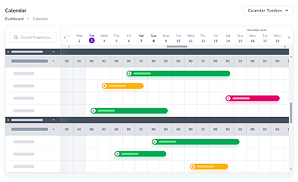
Dual Inventory Management: Sophisticated calendar logic that allows the same room to be sold as both day-use (daytime hours) and overnight (evening check-in) on the same calendar day without conflicts.
Time-Based Availability: Configure specific hours for day-use availability (e.g., 9 AM – 5 PM) separate from overnight inventory management.
Automated Booking Import: DayUse reservations import into Zeevou with specific time windows, guest details, and payment information, clearly distinguished from overnight bookings.
Dynamic Day-Use Pricing: Set day-use rates as percentages of overnight rates or fixed amounts, with the flexibility to adjust based on demand, seasonality, and availability.
Real-Time Synchronization: Availability updates propagate immediately—when overnight occupancy approaches capacity, you can automatically reduce or disable day-use availability to protect evening inventory.
Multiple Time Slot Offerings: Offer various time packages (3-hour, 6-hour, full day) with different pricing, allowing guests to select durations matching their needs.
Housekeeping Coordination: Flag day-use bookings for midday cleaning requirements, ensuring rooms are ready for subsequent overnight guests.
Revenue Tracking Separation: Track day-use revenue separately from overnight revenue to measure the incremental contribution of this channel.
Last-Minute Availability: Enable or disable day-use bookings with short notice based on overnight occupancy forecasts and operational capacity.
Add-On Service Management: Configure spa access, pool passes, meeting room rentals, and other amenities that can be purchased with day-use bookings.
Commission Structure and Fees
DayUse operates on a straightforward commission model:
Commission Rate: Typically 25-30% of the day-use booking value. While this appears higher than overnight booking commissions, it’s important to remember that day-use bookings represent pure incremental revenue from otherwise empty inventory.
No Setup Fees: There are no upfront costs, monthly subscriptions, or listing fees to join DayUse.
All-Inclusive Commission: The commission covers payment processing, customer service, platform technology, and marketing—you receive net revenue after commission deduction.
Payment Terms: DayUse typically operates on a merchant model, collecting payment from guests and remitting funds to hotels according to agreed schedules, usually within 15-30 days after the guest’s day-use period.
Flexible Rate Setting: Hotels control day-use pricing, typically setting rates at 40-70% of overnight room rates, balancing attractiveness to guests with meaningful revenue generation.
No Guest Service Fees: Unlike some platforms, DayUse typically incorporates all fees into the displayed price, creating transparent pricing for guests.
Add-On Revenue: Commission applies to the base day-use rate, while some hotels structure spa, pool, or amenity access as separate purchases with different commission terms.
The key financial consideration is that day-use revenue represents pure incremental income—even after 25-30% commission, you’re monetizing inventory that would otherwise generate zero revenue, making almost any positive margin worthwhile.
Property Types and Eligibility
DayUse works with specific hotel types that can effectively support day-use bookings:
Ideal Property Types:
- Airport hotels and transit accommodations
- Business hotels in city centers
- Conference hotels with meeting facilities
- Hotels with pools, spas, or wellness centers
- Boutique hotels targeting romantic escapes
- Budget to midscale hotels with strong daytime availability
- Beach resort hotels selling pool/beach access
- Hotels near major transportation hubs
- Properties with co-working or business center facilities
Property Requirements:
- Hotel or aparthotel with traditional room service
- Front desk or reception during daytime hours
- Housekeeping available for midday turnovers
- Rooms available during business hours (8 AM – 6 PM)
- Ability to coordinate day-use and overnight bookings
- Quality standards matching overnight offerings
- Bathroom facilities suitable for short-stay guests
- Clear policies for early check-out and room access
Properties Less Suitable:
- Traditional vacation rentals without hotel services
- Properties without daytime staff coverage
- Hotels operating at very high occupancy with no daytime gaps
- Budget properties where day-use pricing wouldn’t justify operations
- Remote properties without business/transit demand
DayUse works best for hotels that regularly have daytime inventory gaps, can efficiently handle short-stay turnovers, and have demand drivers (airports, business districts, attractions) that generate day-use customer traffic.
Integration Guide: Connecting Zeevou to DayUse
Setting up DayUse integration requires both platform connectivity and operational planning:
Step 1: DayUse Partnership Application
Apply to become a DayUse partner through their website or by contacting their hotel partnerships team. Provide property details, photos, and information about your amenities, location, and target day-use offerings.
Step 2: Property Approval and Onboarding
DayUse will review your property, verify it meets their quality standards, and work with you to create compelling day-use packages. This includes defining time slots, pricing, included amenities, and service offerings.
Step 3: Obtain Integration Credentials
Once approved, receive API credentials or connectivity details compatible with Zeevou’s channel manager infrastructure.
Step 4: Activate Integration in Zeevou
Navigate to Zeevou’s channel manager settings and select DayUse from available integrations. Enter your API credentials and property mapping information.
Step 5: Configure Day-Use Inventory Strategy
Set up rules for how many rooms can be sold as day-use on any given day, ensuring you protect overnight inventory while maximizing incremental revenue opportunities.
Step 6: Establish Day-Use Pricing
Configure day-use rates as a percentage of overnight rates (typically 40-70%) or as fixed amounts. Consider different pricing for various time slots (half-day vs. full-day access).
Step 7: Define Time Windows and Packages
Establish specific time offerings (e.g., 9 AM – 3 PM, 10 AM – 4 PM, 12 PM – 6 PM) with corresponding pricing and availability rules.
Step 8: Train Staff on Day-Use Procedures
Ensure front desk, housekeeping, and operations teams understand day-use booking processes, including check-in/check-out procedures, room turnover timing, and coordination with overnight reservations.
Step 9: Optimize Property Content
Create compelling descriptions highlighting amenities valuable for day-use guests: powerful showers, workspaces, pool access, proximity to airports/business districts, privacy and discretion.
Step 10: Test and Monitor Performance
Conduct test bookings to verify the system handles day-use reservations correctly without conflicting with overnight bookings. Monitor initial performance to optimize pricing and availability strategies.
Pros and Cons of DayUse Integration
Advantages:
✅ Pure Incremental Revenue: Monetizes otherwise empty daytime inventory without displacing overnight bookings
✅ Dual Inventory Utilization: Sell the same room twice in one day (day-use + overnight), maximizing revenue per room
✅ No Additional Inventory Costs: Generates revenue from existing rooms without building new inventory
✅ Low Season Revenue Boost: Particularly valuable during periods of low overnight occupancy
✅ Airport Hotel Advantage: Exceptional opportunity for transit-focused properties with layover traffic
✅ Amenity Monetization: Drives revenue from pools, spas, meeting rooms, and other facilities
✅ Local Market Access: Attracts nearby residents who wouldn’t book overnight stays
✅ Brand Exposure: Introduces new guests to your property who may return for full stays
✅ Flexible Operations: Can be enabled/disabled based on overnight occupancy forecasts
✅ Lower Service Costs: Day-use guests don’t require breakfast, turndown, or many overnight amenities
Disadvantages:
❌ Higher Commission Rates: 25-30% commission is above overnight booking channels
❌ Operational Complexity: Requires coordinating day-use and overnight bookings, mid-day turnovers
❌ Staff Coordination Challenges: Housekeeping must handle additional mid-day room cleaning between day-use and overnight guests
❌ Limited to Hotels: Vacation rentals and properties without hotel services can’t effectively participate
❌ Revenue Per Booking Lower: Day-use rates (40-70% of overnight) generate less revenue per transaction
❌ Booking Uncertainty: Day-use demand can be unpredictable, making revenue forecasting challenging
❌ Perception Concerns: Some luxury properties worry about brand image implications of day-use bookings
❌ High Occupancy Limitations: Less valuable when overnight occupancy is consistently high
Comparison: DayUse vs. Traditional Hotel Channels
| Feature | DayUse | Booking.com | Expedia | Direct Bookings |
|———|——–|————-|———|—————–|
| Booking Type | Day-use (hours) | Overnight | Overnight | Both |
| Commission Rate | 25-30% | 15-18% | 18-25% | 0% |
| Revenue Type | Incremental | Core | Core | Core |
| Inventory Conflict | None (daytime) | Yes | Yes | Yes |
| Target Use Cases | Work, rest, transit | Overnight stays | Overnight stays | All types |
| Booking Lead Time | Same-day to few days | Days to weeks | Days to weeks | Variable |
| Average Booking Value | Lower (partial day) | Higher (full night) | Higher (full night) | Variable |
| Double-Booking Same Room | Yes (day + night) | No | No | No |
| Operational Impact | Midday turnover | Standard | Standard | Standard |
| Best For | Airport hotels, business hotels | All hotels | All hotels | All hotels |
Frequently Asked Questions
How can I sell the same room both day-use and overnight on the same day?
DayUse bookings occupy specific daytime hours (e.g., 10 AM – 4 PM), while overnight bookings begin with evening check-in (typically 3-6 PM). The timing allows housekeeping to clean between the day-use guest’s departure and the overnight guest’s arrival, enabling dual revenue from one room in a single day.
What commission does DayUse charge?
DayUse typically charges 25-30% commission on day-use bookings. While higher than overnight channels, remember that day-use represents pure incremental revenue from inventory that would otherwise sit empty and generate zero income.
How should I price day-use bookings?
Most hotels price day-use at 40-70% of overnight rates. The exact percentage depends on included amenities, time duration, demand patterns, and your revenue optimization strategy. Higher percentages (60-70%) work for full-day access with amenities; lower percentages (40-50%) for basic room access during short windows.
Won’t day-use bookings displace overnight guests?
No, when managed properly. DayUse bookings occur during daytime hours when rooms are empty waiting for evening check-ins. Zeevou’s integration ensures day-use availability only appears when rooms can accommodate both day-use and subsequent overnight bookings.
What types of hotels perform best on DayUse?
Airport hotels see exceptional performance from transit passengers with layovers. Business hotels in city centers attract remote workers and professionals. Hotels with pools, spas, or wellness facilities monetize amenity access. Properties near train stations, convention centers, and business districts also perform strongly.
Do day-use guests require the same amenities as overnight guests?
Day-use guests primarily need bathroom access, comfortable beds for rest, workspace for productivity, and WiFi. They typically don’t need breakfast, evening turndown, or overnight amenities, reducing service costs while generating revenue.
How does housekeeping handle mid-day turnovers?
Day-use bookings require mid-day cleaning between the day guest’s departure and evening guest’s arrival. This requires housekeeping staff coverage during afternoon hours and coordination systems to ensure rooms are ready for evening check-ins—Zeevou’s integration flags these requirements.
Can I disable day-use availability when overnight occupancy is high?
Yes, you should implement dynamic controls that reduce or eliminate day-use availability when overnight bookings approach capacity, protecting higher-value overnight revenue. Zeevou allows flexible day-use availability management based on overnight occupancy forecasts.
Are there setup fees for DayUse?
No, DayUse operates purely on commission from completed bookings. There are no upfront fees, monthly subscriptions, or listing charges.
How quickly do guests book day-use rooms?
Day-use bookings often occur same-day or within 24-48 hours, reflecting immediate needs for rest, work, or privacy. This last-minute booking pattern means you can dynamically offer day-use availability based on real-time overnight occupancy.
Conclusion
DayUse integration through Zeevou represents one of the most innovative revenue optimization opportunities in modern hotel management—the ability to monetize daytime inventory that would otherwise generate zero revenue. For hotels with regular daytime availability gaps, particularly airport properties, business hotels, and venues with pools or wellness facilities, DayUse creates an entirely new revenue stream without competing with core overnight business.
The channel’s greatest value lies in its incremental nature: every dollar of day-use revenue represents pure addition to your bottom line. While the 25-30% commission may initially seem high, the calculation changes when you consider the alternative—an empty room producing nothing. Even after commission, day-use bookings deliver positive margin from inventory that has already been paid for through your fixed costs.
For airport hotels, DayUse often becomes a cornerstone channel, delivering 10-20% of total revenue through transit passengers with layovers. Business hotels in city centers capture remote workers and professionals needing temporary workspace. Resort properties monetize pool and spa access to local residents. The common thread: converting zero-revenue daytime hours into positive cash flow.
The operational challenges—mid-day turnovers, staff coordination, dual booking management—are real but manageable with proper systems and training. Zeevou’s integration handles the technical complexity, ensuring day-use and overnight bookings coordinate smoothly without conflicts or double-booking disasters.
For hotels operating below 80% average occupancy, DayUse represents one of the highest-return channel investments available. Rather than building new rooms or investing in major renovations to increase revenue, you’re simply selling time slots on existing inventory. Combined with thoughtful rate management and operational efficiency, this translates to meaningful incremental profit that flows directly to your bottom line.
The future of hotel revenue management increasingly involves creative inventory utilization—selling rooms not just by the night but by the hour, selling amenities separately, and unbundling services to match diverse guest needs. DayUse positions you at the forefront of this evolution, capturing revenue from the growing segment of travelers who need hotels for purposes beyond traditional overnight accommodation.