For hosts, Vrbo suits whole-home and family-oriented rentals, while Airbnb has wider global reach and a broader mix of property types, including rooms and urban stays. Rather than choosing one, most successful operators list on both and sync calendars to maximise occupancy and reduce platform dependence.
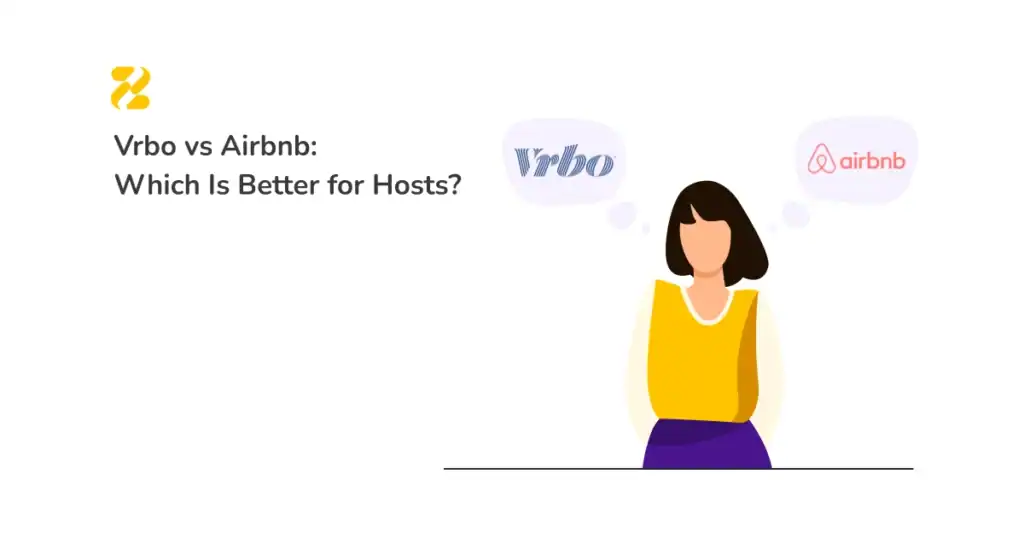
Deciding between Vrbo and Airbnb is one of the first questions every vacation rental host faces, and the honest answer is that it depends on your property, your guests and your goals. The two platforms overlap heavily, but they attract different travellers and reward different listing types.
This guide compares Vrbo and Airbnb on the things that actually affect your bottom line: reach, guest profile, fees and control. Choosing the right channel mix is a core part of any wider vacation rental growth strategy, so it pays to understand where each platform wins before you commit your inventory to one over the other.
By the end, you’ll see why the strongest answer is usually not ‘either/or’ but ‘both, managed properly’.
Table of Contents
Reach and Guest Demographics
Airbnb is the larger and more globally recognised brand, with a broad mix of property types (entire homes, private rooms, and urban apartments) and a younger, more international traveller base. If your property is a city apartment or you want maximum global exposure, Airbnb’s reach is hard to match.
Vrbo (Vacation Rentals by Owner) focuses exclusively on whole-property rentals, there are no shared-room or private-room listings. Its audience skews towards families and groups booking longer leisure stays, often in holiday-destination markets. For a spacious whole-home rental aimed at families, Vrbo’s audience can convert better even though the overall traffic is smaller.
The practical takeaway: match the platform to your property. Whole-home leisure rental in a holiday market leans Vrbo-friendly; urban, flexible, or room-based listings lean Airbnb.
Vrbo vs Airbnb at a Glance (for Hosts)
| Factor | Airbnb | Vrbo |
| Property types | Whole homes, rooms, urban stays | Whole properties only |
| Typical guests | Broad, global, younger | Families and groups, leisure |
| Reach | Larger, more global | Smaller, holiday-focused |
| Fee model | Split or host-only service fee | Per-booking or annual subscription |
| Best for | Urban, flexible, room listings | Spacious whole-home leisure rentals |
Fees: What Each Platform Costs Hosts
Both platforms charge hosts to list, but the structures differ. According to each platform’s publicly available pricing, Airbnb typically uses a split-fee model (a smaller host service fee plus a guest service fee) or an optional host-only fee in some cases. Vrbo offers hosts a choice between a pay-per-booking commission and an annual subscription, which can work out cheaper for high-volume listings.
Because the exact percentages change and vary by region, always check the current rates on each platform before deciding. The more important point for your margin is that both are commission channels, every booking through either one carries a fee you don’t pay on a direct booking.
- Airbnb: commonly a split host + guest service fee, or an optional host-only fee.
- Vrbo: choice of pay-per-booking commission or an annual subscription.
- Both: percentages vary by region and change over time, verify current rates.
- Neither beats a direct booking, which carries no platform commission at all.

Control, Flexibility and House Rules
Airbnb gives hosts granular control over listing types, instant-book settings, and flexible cancellation policies, and its tooling for rooms and shorter urban stays is more developed. Vrbo’s whole-home focus means simpler, more standardised settings geared towards longer leisure bookings.
Neither platform gives you control over the guest relationship, though that stays with them. Both own the guest data, set the messaging rules, and can change their terms at any time. This is the single biggest reason not to rely on either as your only channel: your business sits on someone else’s platform terms.
Why the Best Answer Is ‘Both’
For most hosts, the smart move isn’t Vrbo or Airbnb, it’s both, plus a direct booking channel. Listing on multiple platforms widens your reach, protects your occupancy if one platform’s rankings shift, and lets each channel bring you guests the other might miss.
The only real obstacle to multi-platform listing is keeping calendars in sync to avoid double bookings. A two-way channel manager solves this by syncing availability across every platform in real time, so a booking on Airbnb instantly blocks the same dates on Vrbo. Zeevou connects to 200+ OTAs from a single calendar, which is what makes running both platforms practical rather than risky.
With the double-booking problem removed, there’s little reason to limit yourself to one platform, and every reason to capture demand from both while building direct bookings you fully own.
Frequently Asked Questions
Q1: Is Vrbo or Airbnb better for hosts?
It depends on your property. Vrbo suits whole-home, family and group leisure rentals, while Airbnb offers wider global reach and supports more property types including rooms and urban stays. Many hosts get the best results by listing on both and syncing their calendars rather than choosing one.
Q2: What’s the main difference between Vrbo and Airbnb?
Vrbo lists only entire properties and skews towards families and longer leisure stays, whereas Airbnb supports whole homes, private rooms and urban apartments with a broader, more global audience. Airbnb is the larger brand overall, but Vrbo can convert better for spacious holiday rentals.
Q3: Which platform charges hosts less?
It varies by region and booking volume. Airbnb commonly uses a split or host-only service fee, while Vrbo offers a choice between per-booking commission and an annual subscription that can suit high-volume listings. Check each platform’s current published rates, as percentages change over time.
Q4: Can I list my property on both Vrbo and Airbnb at once?
Yes, and most successful hosts do. The key is keeping availability synced so a booking on one platform automatically blocks those dates on the other. A two-way channel manager handles this in real time, removing the double-booking risk that otherwise makes multi-platform listing difficult.
Conclusion
Vrbo versus Airbnb isn’t a contest with one winner it’s a question of fit. Vrbo rewards whole-home leisure rentals aimed at families; Airbnb offers broader reach and more flexible listing types. For most hosts, the highest-occupancy answer is to list on both and add a direct booking channel you own.
The one thing that makes running multiple platforms safe is real-time calendar syncing. Get that in place, and choosing ‘both’ costs you nothing but earns you every booking either platform can send your way.
Image by pch.vector on Magnific.