Holiday let management software centralises bookings, calendars, guest messaging, payments and cleaning into one system, syncing across OTAs to prevent double bookings. The right choice automates repetitive admin, supports direct bookings, and scales with your portfolio, so adding a property is a quick setup rather than another spreadsheet to maintain.
Running a holiday let on spreadsheets and a shared calendar works until it doesn’t, usually around the point where a double booking, a missed message, or a forgotten changeover costs you a guest or a review. Holiday let management software exists to take that operational load off your plate.
This guide explains what holiday let management software actually does, the features that genuinely matter, and how to choose a system that fits your portfolio. Picking the right software is a foundational part of any serious vacation rental growth strategy. the wrong tool quietly caps how many properties you can handle, while the right one lets you scale without scaling the admin.
We’ll focus on what to look for so you can choose with confidence rather than by trial and error.

Table of Contents
What Holiday Let Management Software Does
At its core, holiday let management software brings every part of running a rental into one place. Instead of juggling separate tools and spreadsheets, you manage bookings, guest communication, payments, availability and housekeeping from a single dashboard.
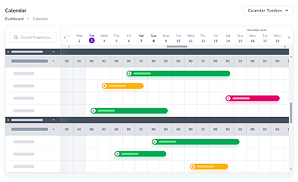
The central feature is the channel manager, which syncs your availability across every platform you list on; Airbnb, Vrbo, Booking.com and your own website in real time. A booking on one channel instantly blocks those dates everywhere else, which is what eliminates the double bookings that plague manual calendar management.
Around that sits automation: scheduled guest messages, automated payment collection, cleaning task assignment and performance reporting. Together they turn hours of daily admin into a system that largely runs itself.
The Features That Actually Matter
Not every feature deserves equal weight. When comparing systems, focus on the ones that directly protect your income and save you time, rather than a long checklist of extras you’ll never use.
- A true two-way channel manager covering the OTAs you actually use, syncing in real time.
- A direct booking website so you can take commission-free reservations you fully own.
- Automated guest messaging for enquiries, confirmations, check-in details and reviews.
- Cleaning and task management so changeovers never get missed between guests.
- Automated payment collection and clear, real-time financial reporting.
- Pricing flexibility so you can adjust rates by season and demand.
Holiday Let Software: Feature Priorities
| Feature | Why it matters | Priority |
| Two-way channel manager | Stops double bookings across OTAs | Essential |
| Direct booking website | Commission-free, owned bookings | Essential |
| Automated guest messaging | Saves hours, improves reviews | High |
| Cleaning / task management | No missed changeovers | High |
| Reporting + analytics | Track each property’s margin | High |
| Dynamic pricing flexibility | Capture seasonal demand | Useful |
Why Direct Bookings Should Be Built In

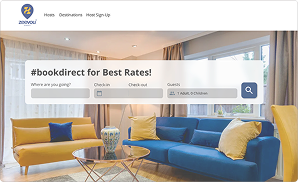
A point many holiday let owners overlook: good software doesn’t just help you manage OTA bookings, it helps you depend on them less. Every reservation through a platform carries a commission, so software that includes a direct booking website pays for itself by helping you convert repeat guests into commission-free reservations.
Zeevou is built around exactly this idea, combining a full property management system with the tools to grow direct bookings, so you capture demand from the OTAs while steadily building a guest base you own. Over time, that shift from rented platform traffic to owned direct demand is what lifts your margins.
When comparing systems, treat a built-in direct booking capability as essential, not a nice-to-have. It’s the difference between software that manages your business and software that grows it.
Choosing Software That Scales With You
The right choice depends on where you’re heading, not just where you are. A tool that handles two cottages comfortably may creak at ten, so think about your next few years, not only this season.
Look for a system that makes adding a property a quick setup rather than a fresh administrative burden, with property management software that consolidates everything and reporting that lets you watch each property’s performance. For UK holiday let operators specifically, check that the system handles the OTAs and payment methods common in your market.
The simplest test when comparing options: would this software still run smoothly if your portfolio doubled? If yes, it will support your growth. If no, it will eventually become the thing holding it back.
Frequently Asked Questions
Q1: What is holiday let management software?
It’s a system that centralises everything involved in running a holiday rental; bookings, guest messaging, payments, availability and cleaning into one dashboard. Its core job is syncing your calendar across every booking platform in real time so you avoid double bookings, while automating the repetitive admin around each stay.
Q2: Do I really need software for one or two holiday lets?
Even with a couple of properties, software pays off by preventing double bookings and automating guest messages, payments and changeovers. It also lets you take direct, commission-free bookings. The earlier you adopt a system, the easier it is to add more properties later without the admin spiralling.
Q3: What features should holiday let software have?
Prioritise a real two-way channel manager, a direct booking website, automated guest messaging, cleaning and task management, automated payments, and clear reporting. These directly protect your income and save time. Treat a built-in direct booking capability as essential, since it reduces your dependence on commission-charging platforms.
Q4: How do I choose the right holiday let software?
Match it to where your business is heading, not just its current size. Check it covers the OTAs and payment methods you use, includes direct bookings, and makes adding a property simple. The key test: would it still run smoothly if your portfolio doubled? If not, it will eventually limit your growth.
Conclusion
Holiday let management software is the difference between a business that runs on your time and one that runs on a system. The right platform consolidates bookings, messaging, payments and cleaning, syncs your calendars to kill double bookings, and crucially helps you build direct bookings you own rather than rent from the OTAs.
When you compare options, weigh the features that protect income and save time, and always ask whether the system would still cope if your portfolio doubled. Choose for where you’re going, and the software becomes an engine for growth rather than a ceiling on it.
Image by pch.vector on Magnific.