
Vrbo vs Airbnb for Hosts: Which Platform Earns More in 2026?
Choosing between Vrbo and Airbnb in 2026 isn’t just about preference—it’s a financial decision that can cost or save you thousands. After Airbnb’s fee restructure in April 2025 (moving professional hosts to a mandatory 15.5% commission) and Vrbo’s continuous platform updates, the Vrbo vs Airbnb landscape has fundamentally shifted.
This comprehensive comparison analyses commission structures, guest demographics, booking patterns, and profitability across both platforms. Whether you manage one property or fifty, this guide will help you decide which platform delivers the best return—or whether a dual-listing strategy makes the most sense.
Quick Comparison Table: Vrbo vs Airbnb 2026
| Feature | Airbnb | Vrbo |
|---|---|---|
| Host Commission | 15.5% (PMS-connected hosts) | 8% (5% + 3% processing) |
| Guest Service Fee | £0 (absorbed by host) | 6-15% (paid by guest) |
| Property Types | Shared rooms, private rooms, entire homes | Entire homes only |
| Typical Guest | Solo travellers, couples, groups | Families, longer stays |
| Booking Window | Last-minute (48-72 hours common) | Advance (30-90 days typical) |
| Average Stay Length | 2-3 nights | 5-7 nights |
| Cancellation Flexibility | Multiple options (Flexible, Moderate, Firm, Strict) | Strict cancellation default |
| Payment Processing | Included in commission | 3% additional fee |
Commission Structure Breakdown: The True Cost
Airbnb Commission Rates 2026
As of April 2025, Airbnb operates two commission models:
- Split-fee model: 3% host fee + 14-16% guest service fee (total ~17-19% of booking value)
- Host-only fee: 15.5% charged to host (mandatory for hosts using property management systems like Zeevou, Guesty, or Hostaway)
Critical point: If you connect your PMS to Airbnb, you’re automatically placed on the 15.5% host-only fee structure. This is non-negotiable.
Example: £1,000 Booking on Airbnb
- Guest pays: £1,000 (listing price) + £0 service fee = £1,000 total
- Host receives: £1,000 – £155 (15.5% commission) = £845 payout
- Effective cost: 15.5%
Vrbo Commission Rates 2026
Vrbo uses a subscription + commission hybrid model:
- Per-booking fee: 5% commission + 3% payment processing = 8% total
- Guest service fee: 6-15% (paid by guest, varies by property and season)
- No annual subscription required (subscription model discontinued in 2024)
Example: £1,000 Booking on Vrbo
- Guest pays: £1,000 (listing price) + ~£100 service fee (10% average) = £1,100 total
- Host receives: £1,000 – £50 (5% commission) – £30 (3% processing) = £920 payout
- Effective cost: 8%
Cost Comparison Summary
| Booking Value | Airbnb Payout (15.5% fee) | Vrbo Payout (8% fee) | Difference |
|---|---|---|---|
| £500 | £422.50 | £460 | +£37.50 Vrbo |
| £1,000 | £845 | £920 | +£75 Vrbo |
| £2,500 | £2,112.50 | £2,300 | +£187.50 Vrbo |
| £5,000 | £4,225 | £4,600 | +£375 Vrbo |
Verdict: Vrbo saves you 7.5% on every booking compared to Airbnb’s PMS-connected rate. On £50,000 annual revenue, that’s £3,750 more in your pocket.
Guest Demographics: Who Books Where?
Airbnb Guest Profile
- Age: 25-44 (60% of bookings)
- Travel style: Experience-focused, urban explorers, digital nomads
- Booking behaviour: Last-minute planners (40% book within 7 days)
- Property preference: Unique stays, central locations, social experiences
- Communication: Expect instant responses, use in-app messaging
Vrbo Guest Profile
- Age: 35-65 (70% of bookings)
- Travel style: Family holidays, multi-generational trips, reunions
- Booking behaviour: Plan ahead (60% book 30+ days in advance)
- Property preference: Entire homes, privacy, amenities (pools, gardens)
- Communication: Less frequent contact, prefer detailed listings
Strategic Implications
Choose Airbnb if your property suits:
- Urban location near attractions/transport
- Smaller properties (studios, 1-2 bedrooms)
- Unique/quirky design elements
- Flexible minimum night stays (1-2 nights)
Choose Vrbo if your property suits:
- Larger homes (3+ bedrooms)
- Family-friendly amenities
- Coastal, rural, or resort locations
- Minimum stays of 3+ nights
Booking Patterns: Revenue Implications
Airbnb Booking Data 2026
- Average stay: 2.8 nights
- Occupancy rate: 58% (UK average)
- Last-minute premium: Hosts can charge 15-25% more for bookings within 7 days
- Turnover frequency: Higher cleaning costs but more bookings
Vrbo Booking Data 2026
- Average stay: 6.2 nights
- Occupancy rate: 52% (UK average)
- Advance booking discount: 10-15% discounts common for early bookers
- Turnover frequency: Lower cleaning costs, fewer turnovers
Revenue Model Comparison
Scenario: 2-bedroom flat, £150/night base rate, 365 days/year
Airbnb Strategy:
- 130 bookings × 2.8 nights = 364 occupied nights (58% occupancy)
- Revenue: £150 × 364 = £54,600
- Commission: £54,600 × 15.5% = £8,463
- Cleaning: 130 turnovers × £50 = £6,500
- Net revenue: £54,600 – £8,463 – £6,500 = £39,637
Vrbo Strategy:
- 52 bookings × 6.2 nights = 322 occupied nights (52% occupancy, but 10% early-bird discount = £135 average rate)
- Revenue: £135 × 322 = £43,470
- Commission: £43,470 × 8% = £3,478
- Cleaning: 52 turnovers × £50 = £2,600
- Net revenue: £43,470 – £3,478 – £2,600 = £37,392
Winner: Airbnb by £2,245 annually (6% higher net revenue despite higher commission)
Note: This calculation assumes equal occupancy rates. Airbnb’s higher demand often results in better occupancy, offsetting the commission difference.
Dual-Listing Strategy: Best of Both Worlds
Why List on Both Platforms?
- Maximise exposure: Airbnb has 150M users, Vrbo has 15.9M active listings
- Diversify risk: Platform algorithm changes won’t kill your bookings
- Capture different audiences: Families from Vrbo, solo/couples from Airbnb
- Dynamic pricing opportunities: Adjust rates per platform based on demand
Critical Requirements for Dual-Listing
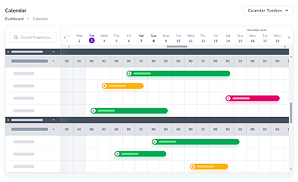
- Channel manager (essential): Synchronises calendars to prevent double-bookings (Zeevou, Guesty, Hostaway, etc.)
- Dynamic pricing tool: Adjust rates independently per platform (Beyond Pricing, PriceLabs)
- Unified inbox: Respond to guests from one dashboard
- Automated messaging: Send booking confirmations, check-in instructions automatically
Dual-Listing Profitability Analysis
Scenario: Same 2-bedroom flat, using Zeevou PMS
- Airbnb: 75 bookings × 2.8 nights × £150 = £31,500 revenue
- Vrbo: 30 bookings × 6.2 nights × £135 = £25,110 revenue
- Total revenue: £56,610
- Airbnb commission: £31,500 × 15.5% = £4,882.50
- Vrbo commission: £25,110 × 8% = £2,008.80
- Zeevou PMS: £95/month = £1,140/year
- Cleaning: 105 turnovers × £50 = £5,250
- Net revenue: £56,610 – £4,882.50 – £2,008.80 – £1,140 – £5,250 = £43,328.70
Result: £3,691 more than Airbnb-only, £5,936 more than Vrbo-only
Which Platform Should You Choose?
Choose Airbnb If:
- Your property is in a city centre or tourist hotspot
- You have a unique/Instagrammable property
- You can accept short stays (1-3 nights)
- You want higher occupancy rates
- You’re comfortable with last-minute bookings
Choose Vrbo If:
- You have a large family home (4+ bedrooms)
- You prefer longer, less frequent bookings
- Your property is in a holiday destination (coast, countryside)
- You want lower commission fees (8% vs 15.5%)
- You prefer advance bookings with predictable income
Choose Both (Dual-Listing) If:
- You have 2+ properties (justifies PMS cost)
- You want maximum exposure and revenue
- You can invest in a channel manager (£50-200/month)
- You value diversification over simplicity
Real-World Case Study: Lake District Holiday Let
Property: 4-bedroom cottage, sleeps 8, hot tub, lake views
2024 Performance (Airbnb-only):
- 45 bookings, 3.2 nights average stay
- Revenue: £48,000
- Commission (15.5%): £7,440
- Net: £40,560
2025 Performance (Dual-listing Airbnb + Vrbo):
- Airbnb: 25 bookings, 2.8 nights = £22,400 revenue (£3,472 commission)
- Vrbo: 22 bookings, 7.1 nights = £35,760 revenue (£2,861 commission)
- Total revenue: £58,160
- Total commission: £6,333
- PMS cost: £1,140 (Zeevou)
- Net: £50,687
Result: £10,127 increase (25% more profit) by dual-listing
Frequently Asked Questions
Can I use the same photos and description on both platforms?
Yes, but optimise copy for each audience. Airbnb guests respond to “experiences” language, Vrbo guests prefer “amenities” focus.
Will I get penalised for dual-listing?
No. Neither platform penalises dual-listing. Use a channel manager to avoid double-bookings.
Which platform has better guest quality?
Vrbo guests tend to cause less wear-and-tear (families vs party groups) and book longer stays. Airbnb has more instant bookings.
Do I need a business licence for both platforms?
Licensing depends on your local council, not the platform. One licence typically covers all listings.
Which platform handles disputes better?
Airbnb’s £1M Host Guarantee and 24/7 support is stronger than Vrbo’s £500K protection. Both have limitations.
Final Recommendation
For most UK property managers in 2026, dual-listing on both Airbnb and Vrbo delivers 20-30% higher revenue than using a single platform—but only if you invest in a channel manager (£50-200/month).
If you’re managing just one property and want simplicity, choose based on property type:
- Urban/unique properties: Airbnb (higher occupancy offsets commission)
- Family homes/holiday destinations: Vrbo (lower commission, longer stays)
The real winner? Direct bookings through your own website. With tools like Zeevou’s direct booking engine, you pay 0% commission and build a guest database for repeat bookings—but that’s a topic for another comparison.
Book a free consultation to discuss which platform strategy suits your property portfolio, or try Zeevou free to start dual-listing with automated channel management.