
Managing one rental can feel busy. Managing ten can feel overwhelming — unless you have the right systems in place. With clear processes, smart tools, and good planning, you can run multiple properties smoothly and confidently.
This guide breaks down the challenges you’ll face and the tools that help you stay organised, save time, and deliver a consistent guest experience.
Table of Contents
Challenges of Managing Multiple Vacation Rentals
1. Time Commitment
Running several rentals takes time and energy. You need to stay on top of:
- maintenance issues
- guest check‑ins and check‑outs
- bookings
- guest questions
- cleaning schedules
Without a plan, these tasks can pile up and become stressful. Managing multiple properties also means working outside normal hours, so you must stay available and responsive.
2. Coordination and Communication
When your properties are in different locations, communication becomes harder. Messages can get delayed or missed, which disrupts operations.
Managing remote staff adds another layer of complexity. Without clear systems, you may face:
- missed tasks
- slow responses
- unclear responsibilities
- reduced accountability
Simple, reliable communication tools help prevent these issues.
3. Quality Control
Keeping the same level of quality across all properties is challenging. Each location may have different:
- suppliers
- cleaners
- local rules
- service providers
Frequent guest turnover also causes wear and tear. Fixing issues quickly helps maintain high standards and protects your brand.
4. Financial Management
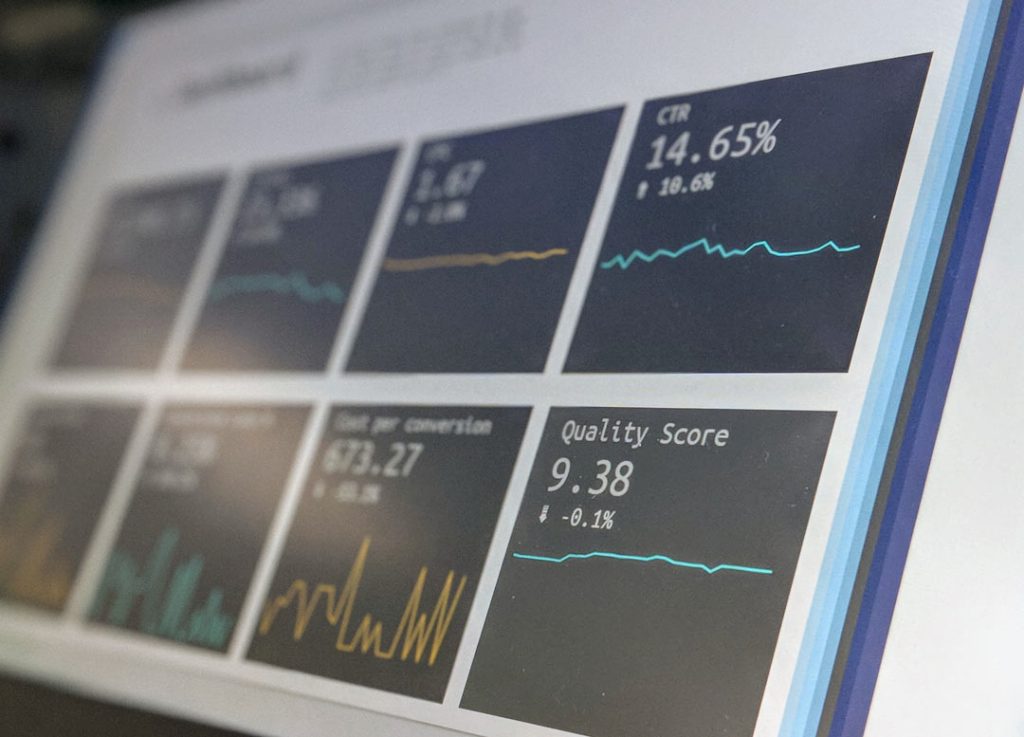
More properties mean more financial activity. You must track:
- expenses
- revenue
- maintenance costs
- utilities
- taxes
- marketing budgets
Each property has different needs, so you must budget carefully and avoid overspending in one area while neglecting another.
Tools That Help You Manage 10 Properties at Once
Technology makes managing multiple rentals much easier. The right tools help you automate tasks, improve communication, and stay organised
1. Channel Managers
A channel manager syncs your listings across Airbnb, Booking.com, Vrbo, and your direct booking site.
What it does:
- updates availability instantly
- syncs rates and reservations
- prevents double bookings
- keeps listing details consistent
- saves time on manual updates
This improves accuracy and gives guests up‑to‑date information.
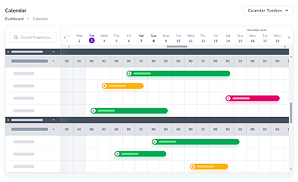
2. Property Management System (PMS)
A PMS is the central hub of your operations.
Key features:
- real‑time reservation tracking
- occupancy and availability overview
- automated guest messages
- housekeeping schedules
- payment and invoice management
A PMS keeps everything in one place and helps you deliver a smooth guest experience.
3. Online Booking Engine
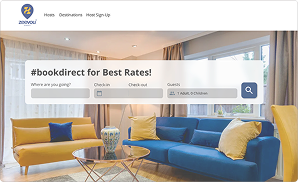
Adding a booking engine to your website lets guests book directly with you.
Benefits:
- faster reservations
- fewer OTA fees
- more control over bookings
- better guest communication
Choose a system that integrates with your PMS for seamless updates.
4. Dynamic Pricing Tools
Dynamic pricing tools adjust your rates based on demand, season, and market trends.
Why they help:
- maximise revenue
- stay competitive
- reduce manual pricing work
- make data‑driven decisions
Popular tools include PriceLabs and Beyond.
5. Guest Communication Platforms

Guest messaging tools help you stay responsive without spending hours replying manually.
What they do:
- send automated check‑in and check‑out messages
- answer common questions
- centralise guest conversations
- reduce response time
Tools like Guest Guru use AI to understand guest questions and send helpful replies.
6. Property Management Mobile App
A mobile app helps you manage your properties on the go.
You can:
- view bookings
- check tasks
- message guests
- update availability
- monitor operations
This keeps you connected even when you’re away from your desk.
7. Financial Reporting Tools
Reporting tools give you clear insights into your income and expenses.
They help you:
- track revenue
- monitor costs
- generate owner reports
- plan budgets
- make informed decisions
Many PMS platforms include built‑in reporting features.
Learning From Experience and Continuous Improvement
Joining a community of property managers can help you grow faster. Sharing experiences gives you new ideas and helps you avoid common mistakes.

1. Problem‑Solving and New Ideas
Other hosts often face similar challenges. Learning how they solved them can inspire better processes for your own business.
2. Avoiding Pitfalls
Hearing about others’ mistakes helps you avoid repeating them. This saves time, money, and frustration.
3. Networking Opportunities
Communities offer access to:
- partnerships
- shared resources
- best practices
- expert advice
These connections can strengthen your operations.
4. Emotional Support
Managing multiple properties can feel isolating. A community gives you support from people who understand the industry.
5. Staying Updated
Communities share updates on:
- regulations
- market trends
- new tools
- best practices
This helps you stay competitive and adapt quickly.
Final Tips for Managing 10 Properties at Once
To manage multiple rentals successfully:
- centralise your reservations
- automate repetitive tasks
- maintain consistent guest communication
- use tools that save time
- stay organised with clear workflows
- fix issues quickly
- learn from other hosts
With the right systems, managing 10 properties becomes manageable — and even enjoyable.
Image by pch.vector on Magnific.