Relying on one or two OTA channels leaves your occupancy exposed. A ranking change, fee increase or policy update on one platform can cut your bookings fast. Spreading across the right mix of channels protects you.
If you’re still deciding whether to list on more than one platform, start with our guide on whether you should list your vacation rental on multiple channels. This guide goes a step further. It explains the four types of distribution channel, how to pick between them, and how to build your mix in stages.
Table of Contents
What are OTA channels and distribution platforms?
Distribution channels are the websites and apps where travellers search, compare and book accommodation. Online travel agencies (OTAs) such as Booking.com and Expedia are the best known. Vacation rental platforms such as Airbnb and Vrbo, metasearch engines and regional sites make up the rest.

The four types of channel
1. OTAs (online travel agencies)
Global platforms that put your property in front of travellers who are already searching. Examples: Booking.com, Expedia, Hotels.com, Agoda.
- Best for: hotels, B&Bs, resorts and serviced apartments that want wide reach.
- How you pay: a commission on each booking.
- Pros: large audience, built-in trust from reviews and brand, and you pay only when you get a booking.
- Cons: commission reduces margin, rate parity rules can limit pricing flexibility, you depend on the platform, and guest data is limited.
For what each platform actually charges, see OTA fees for vacation rentals and the fee comparison of Airbnb, Booking.com and Vrbo.
2. Vacation rental platforms
Specialist platforms for homes, apartments and unusual stays. Examples: Airbnb, Vrbo.
- Best for: vacation homes, family-sized properties and unique stays.
- How you pay: commission, and on some platforms a subscription option.
- Pros: strong demand from families and groups, and a guest base looking specifically for rentals.
- Cons: more regulation to follow, higher guest expectations, more operational work (cleaning, keys, maintenance) and more seasonal swings.
Choosing between the two biggest? Read Vrbo vs Airbnb: which is better for hosts?
3. Metasearch engines
Comparison sites that show rates from several sources and send travellers on to an OTA or to your own website. Examples: Google Travel, Jetcost.
- Best for: properties with their own direct booking website.
- How you pay: pay per click, or no commission when the traveller books directly with you.
- Pros: you reach people who are actively comparing, and you drive traffic to your own site.
- Cons: you need a good website and booking engine, and click costs need managing.
For the Google route, see Google Vacation Rentals and the Zeevou integration.
4. Regional and niche channels
Platforms with a strong local presence or a specific audience. Examples: Casamundo and e-domizil in Europe, Trip.com in China, Decolar in Latin America, Halalbooking for Muslim-friendly stays.
- Best for: properties targeting a particular market or niche.
- How you pay: usually commission, often with more room to negotiate.
- Pros: less competition, better fit for local travellers (language, currency, culture), and more flexible terms.
- Cons: lower volume, limited reach outside the core market, and more connections to manage.
How the four compare
| Channel type | Examples | Best for | How you pay | Main trade-off |
|---|---|---|---|---|
| OTA | Booking.com, Expedia | Hotels, B&Bs, apartments | Commission | Reach vs margin |
| Vacation rental platform | Airbnb, Vrbo | Homes, families, unique stays | Commission or subscription | Demand vs operational load |
| Metasearch | Google Travel, Jetcost | Properties with a direct booking site | Pay per click, or none for direct | Needs a strong website |
| Regional and niche | Casamundo, Trip.com, Decolar | Specific markets or audiences | Commission, often negotiable | Lower volume |
How to choose the right channels
For wider growth tactics, see vacation rental growth strategies that actually scale.

1. Match channels to your property type
- Hotels and B&Bs: two global OTAs, one metasearch channel, and two or three regional platforms.
- Vacation rentals: Airbnb and Vrbo, Google Travel, a few regional rental platforms, and an OTA that accepts rentals.
- Luxury properties: one or two luxury-focused platforms, one global OTA for selective visibility, and a strong direct booking website as the main route.
2. Match channels to where your guests come from
These are starting points. Check them against your own booking data before you commit.
- Europe: Booking.com first, then Expedia, Airbnb and Vrbo, then regional platforms such as Casamundo and e-domizil.
- North America: Expedia and Booking.com, then Airbnb and Vrbo, plus Google Travel.
- Asia-Pacific: Agoda and Booking.com, then Trip.com for Chinese travellers.
- Popular tourist destinations: Booking.com and Airbnb, plus two or three channels based on your main source markets.
Look at where your current guests come from before you decide. Your own booking data is a better guide than any general list.
3. Weigh commission against volume
- Higher-commission channels are worth it when you’re new, building awareness, filling shoulder season or entering a new market.
- Mid-commission regional channels suit established properties that want diversification and better margins.
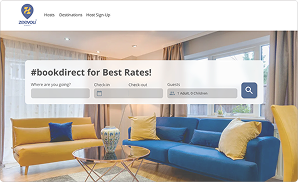
- Zero-commission routes are your own direct booking website and metasearch traffic that lands on it. Always build these. See how to increase direct bookings without burning your OTA pipeline and the direct booking platform guide.
A phased rollout plan
Foundation (months 1–3)
- Launch on 3–5 high-volume channels.
- Set up your direct booking website and connect it to Google Travel.
- Record baseline numbers: conversion rate, average daily rate, booking window.
- Put a channel manager in place before adding more channels.
Expansion (months 4–6)
- Add 2–3 regional channels for your main source markets.
- Add metasearch.
- Start direct booking campaigns.
- Compare channels by return, not by volume alone.
Optimisation (months 7–12)
- Test 2–3 niche channels.
- Use channel-specific pricing, such as mark-ups that cover each channel’s commission.
- Review channel performance every quarter.
- Negotiate better terms with your top performers.
Maturity (year 2 onwards)
- Keep a stable set of channels that you can manage well.
- Put most of your effort into your top three.
- Keep a small budget for testing new channels.
- Grow the share of direct bookings to reduce OTA dependence.
Making multi-channel work day to day
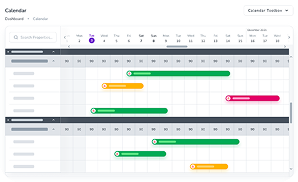
The more channels you add, the more a manual process breaks down: mismatched rates, an inbox per platform and double bookings.
- Wondering when to switch from manual calendars? Read at what point do you need a channel manager.
- Understand how a channel manager connects to channels in iCal vs API explained.
- Learn how to stop double bookings in vacation rental overbooking: how to prevent it.
- Comparing options? See the buyer’s guide to choosing a channel manager.
Zeevou’s channel manager connects your properties to 200+ OTAs. See the full channel list.
FAQs
How many channels should I connect to?
Start with a few high-volume channels and add regional or niche ones based on performance. Add more only as fast as you can manage them well, and review each channel’s results regularly.
What’s the difference between OTA channels and metasearch?
OTAs let travellers book on their platform and charge commission. Metasearch engines compare prices from several sources and send travellers on to an OTA or to your own website. They usually charge per click, or nothing for bookings made directly with you.
Can vacation rentals list on hotel OTAs like Booking.com?
Yes. Hotel OTAs accept vacation rentals, apartments and unique stays. Many managers use both hotel OTAs and rental-specific platforms. Check each platform’s current requirements before you list.
Do I have to charge the same price on every channel?
It depends on the platform and where your property is. Some OTAs have asked partners to keep prices consistent across channels, known as rate parity. In the European Economic Area, Booking.com has removed its parity clauses, so properties there can offer lower prices on their own website. Rules differ elsewhere and between platforms, so check the current terms of each channel you list on. Whatever the rules, offering something extra only on your direct booking website, such as a perk or a better cancellation policy, is a simple way to reward guests who book with you.
Conclusion
There’s no single right mix. Start with a few high-volume channels, add regional and niche channels where your guests come from, and keep growing direct bookings. Review the numbers every quarter and adjust.
Image by pch.vector on Magnific.