OTA Channels & Distribution Platforms: Complete Guide for Hotels & Vacation Rentals
Looking for the right distribution channels for your hotel or vacation rental? This comprehensive directory compares 200+ leading OTA channels, metasearch platforms, and vacation rental sites to help you maximize occupancy and revenue through strategic multi-channel distribution.
What are OTA Channels & Distribution Channels?
Online Travel Agency (OTA) channels and distribution platforms are websites where travelers search, compare, and book accommodations. Modern revenue management requires listing properties across multiple channels to maximize visibility, occupancy rates, and direct booking revenue.
The global OTA market reached $750+ billion in 2024, with Booking.com, Expedia, and Airbnb dominating 65% of online hotel and vacation rental bookings. However, regional and niche channels often provide better conversion rates, lower competition, and access to specific traveler demographics that major OTAs cannot reach effectively.
Understanding Channel Distribution Strategy
Single-channel dependency creates revenue risk when algorithm changes, commission increases, or policy shifts impact visibility. Properties distributing across 8-12 channels reduce booking volatility by 40-60% compared to relying solely on Booking.com or Airbnb.
Multi-channel distribution requires channel management software to prevent double bookings, synchronize rates and availability, and centralize guest communications across all platforms simultaneously.
Types of Distribution Channels
1. OTA Channels (Online Travel Agencies)
Global platforms charging 15-20% commission per booking, providing instant access to millions of travelers actively searching for accommodations.
Major Global OTAs:
- Booking.com – 480,000 monthly searches, 220+ countries, 28+ million listings
- Expedia – 110,000 monthly searches, 70+ countries, hotels + vacation rentals
- Hotels.com – Part of Expedia Group, loyalty rewards program (10 nights = 1 free)
- Agoda – Strong Asia-Pacific presence, competitive rates in Southeast Asia
Best For: Hotels, resorts, B&Bs, serviced apartments seeking global distribution with proven booking volume and traveler trust.
Commission Range: 15-20% per booking (deducted from gross reservation value)
Pros:
- Massive global reach (Booking.com reaches 1.6 billion+ travelers annually)
- Instant credibility through platform trust and reviews
- Performance marketing (you only pay when bookings are received)
- Mobile-first booking experience (60%+ of bookings via mobile apps)
Cons:
- High commission rates reduce profit margins
- Rate parity requirements limit pricing flexibility
- Platform dependency creates revenue vulnerability
- Guest data ownership restricted (limited remarketing opportunities)
2. Vacation Rental Channels
Specialized platforms focusing on short-term rentals, vacation homes, and alternative accommodations with different target demographics than traditional hotel OTAs.
Major Vacation Rental Platforms:
- Airbnb – 210,000 monthly searches, 190+ countries, 7+ million active listings
- Vrbo (HomeAway network) – Family-focused, 2+ million listings, subscription model option
- FlipKey – TripAdvisor integration, review-driven bookings
- TripAdvisor Rentals – Integrated with world's largest travel review platform
Best For: Vacation homes, apartments, unique properties (treehouses, houseboats, castles), family-sized accommodations (3+ bedrooms).
Commission Range: 8-16% per booking (Vrbo offers subscription alternative at $499-899/year)
Pros:
- Higher average daily rates than hotel equivalents (30-50% premiums common)
- Longer average stays (5-7 nights vs. 2-3 for hotels)
- Access to family and group travel market (underserved by traditional hotels)
- Direct guest relationships (less restrictive communication policies)
Cons:
- More regulation and compliance requirements (short-term rental laws)
- Higher guest expectations for amenities and local experiences
- Property management complexity (cleaning, maintenance, key exchange)
- Seasonal demand fluctuations more pronounced
3. Metasearch Channels
Comparison engines displaying rates from multiple sources, driving traffic to direct bookings or OTAs. Travelers use metasearch to compare prices before making final booking decisions.
Major Metasearch Platforms:
- Google Travel (Hotels) – Appears in Google search results, 460,000 monthly searches
- Google Travel (Vacation Rentals) – VR integration launched 2019, growing share
- Trivago – 460,000 monthly searches, hotel comparison leader, owned by Expedia
- Kayak – Flight + hotel packages, owned by Booking Holdings
- Skyscanner – Mobile-first audience, strong European and Asian markets
Best For: Properties with direct booking websites seeking to capture price-comparison shoppers and reduce OTA dependency.
Commission Range: CPC (cost-per-click) model or 0% when directing to direct booking website
Pros:
- Zero commission when directing to direct bookings (only advertising cost)
- Captures high-intent travelers actively comparing rates
- Increases direct booking website traffic and brand visibility
- Rate transparency builds trust with price-conscious travelers
Cons:
- Requires investment in direct booking website and booking engine
- CPC advertising costs can exceed OTA commissions without optimization
- Conversion rates depend heavily on website user experience
- Requires active campaign management and bid optimization
4. Regional & Niche Channels
Market-specific platforms with strong local presence, specialized property types, or unique traveler demographics that global OTAs struggle to serve effectively.
Regional Channels by Market:
Europe:
- Casamundo – European vacation rentals, HomeToGo network, 2+ million properties
- E-Domizil – 450,000+ vacation rentals, TUI Group, German market leader
- FeWo-direkt – German vacation rental market (Expedia Group)
- HRS – Corporate hotel bookings, strong German business travel
Asia-Pacific:
- Didatravel – #1 B2B China outbound player, 1.5+ million travel products
- Ctrip/Trip.com – China's largest OTA, 400+ million users
- Agoda – Booking Holdings platform, dominant in Thailand, Vietnam, Indonesia
- Elong – China market, corporate travel focus
Latin America:
- Decolar – Latin America's #1 OTA, 9.5+ million annual bookings, $5.3B gross volume
- Despegar – Argentina-based, pan-Latin American reach
Middle East:
- Hoojoozat – Arab travel booking platform, 35,000+ hotels, GCC markets
- Halalbooking – Muslim-friendly accommodations, halal certification
Best For: Properties targeting specific geographic markets, cultural demographics, or specialized niches (eco-tourism, adventure travel, luxury wellness).
Commission Range: 10-20% (often more negotiable than global OTA contracts)
Pros:
- Less competition than global OTAs (regional platforms have 50-70% fewer listings)
- Better conversion rates for local markets (language, currency, cultural fit)
- More flexible commission structures and partnership terms
- Access to underserved traveler segments
Cons:
- Lower booking volume than global platforms
- Limited geographic reach outside core markets
- Platform stability and technology may lag behind major OTAs
- Integration complexity when managing 10+ regional channels
How to Choose the Right Channels for Your Property
1. Property Type Alignment
Hotels & B&Bs:
Prioritize Booking.com (largest reach), Expedia (global network), Google Travel (direct booking driver), regional hotel OTAs (HRS, Agoda).
Target channel mix: 5-8 channels
- 2 global OTAs (Booking.com, Expedia)
- 1 metasearch (Google Travel)
- 2-3 regional platforms
- 1-2 niche channels
Vacation Rentals:
Focus on Airbnb (brand recognition), Vrbo (family market), regional VR platforms (Casamundo, e-domizil), metasearch for direct bookings.
Target channel mix: 6-10 channels
- 2 global VR platforms (Airbnb, Vrbo)
- 1 metasearch (Google Travel VRs)
- 3-5 regional VR channels
- 1-2 OTA channels accepting VRs (Booking.com, Expedia)
Luxury Properties:
Emphasize Mr & Mrs Smith, Tablet Hotels, direct booking website with Google Travel integration, boutique hotel OTAs.
Target channel mix: 4-6 channels
- 1-2 luxury-focused platforms
- 1 global OTA (selective visibility)
- Direct booking website (primary)
- 1 metasearch channel
2. Geographic Target Market Strategy
Europe Properties:
- Primary: Booking.com (European origin, dominant market share)
- Secondary: Expedia, Airbnb/Vrbo (vacation rentals)
- Regional: Casamundo, e-domizil, FeWo-direkt (Germany), HomeAway (UK)
- Metasearch: Google Travel, Trivago
North America Properties:
- Primary: Expedia (North American strength), Booking.com
- Secondary: Airbnb, Vrbo (vacation rentals)
- Regional: TripAdvisor Rentals
- Metasearch: Google Travel, Kayak
Asia-Pacific Properties:
- Primary: Agoda (regional leader), Booking.com
- Secondary: Ctrip/Trip.com (Chinese travelers), Didatravel (B2B)
- Regional: Elong (China), Rakuten Travel (Japan)
- Metasearch: Google Travel
Global Properties (Popular Tourist Destinations):
- Primary: Booking.com, Airbnb
- Secondary: Expedia, Vrbo
- Metasearch: Google Travel
- Regional: 2-3 channels based on primary source markets
3. Commission vs. Volume Trade-off Analysis
High Commission (15-20%) Channels:
- Booking.com, Expedia, Airbnb
- When to use: New properties building brand awareness, shoulder season demand, entering new markets
- ROI justification: Massive reach justifies higher cost (Booking.com delivers 10-15x more bookings than average regional channel)
- Break-even: If channel delivers 5%+ of total bookings, commission is worth the cost
Medium Commission (10-15%) Channels:
- Regional platforms (Casamundo, e-domizil), niche channels
- When to use: Established properties seeking diversification, targeting specific demographics
- ROI justification: Better margins with acceptable booking volume
- Break-even: If channel maintains 60%+ of global OTA booking volume at 10% commission, net revenue increases
Zero Commission Channels:
- Google Travel (directing to direct booking website)
- Zeevou Direct (commission-free OTA)
- Your own direct booking website
- When to use: Always (maximize direct bookings)
- Investment required: Professional booking website ($2,000-10,000), SEO ($500-2,000/month), Google Hotel Ads ($300-1,500/month CPC)
- ROI justification: At 25+ bookings/month, zero-commission channels recover setup costs within 3-6 months
4. Multi-Channel Distribution Framework
Recommended Approach:
Phase 1: Foundation (Months 1-3)
- Launch with 3-5 high-volume channels (Booking.com, Airbnb, Expedia)
- Set up direct booking website with Google Travel integration
- Establish baseline performance metrics (conversion rates, ADR, booking windows)
- Implement channel manager to prevent double bookings
Phase 2: Expansion (Months 4-6)
- Add 2-3 regional channels for local markets (Casamundo for Europe, Agoda for Asia)
- Integrate metasearch (Google Travel, Trivago)
- Launch direct booking advertising campaigns
- Optimize channel mix based on ROI analysis
Phase 3: Optimization (Months 7-12)
- Test 2-3 niche channels (luxury platforms, activity-based channels)
- Implement dynamic pricing across all channels
- Monitor performance quarterly and adjust channel mix
- Negotiate improved commission rates with top-performing channels
Phase 4: Maturity (Year 2+)
- Maintain 8-12 active channels (sweet spot for most properties)
- Focus 60% resources on top 3 channels (80/20 rule typically applies)
- Continuously test new channels (allocate 10% budget to experimentation)
- Shift revenue mix toward 30-40% direct bookings (reduce OTA dependency)
5. Channel Manager Requirements
Managing multiple channels manually creates operational chaos and revenue loss through double bookings, rate disparities, and missed opportunities.
Channel Manager Benefits:
- Synchronizes calendars across all platforms (real-time or 15-30 minute iCal sync)
- Updates rates and availability in one place, distributes to all channels
- Prevents double bookings (automatic blocking when reservations are received)
- Centralizes reservations in one inbox (no need to check 10 different platforms)
- Provides channel performance analytics (revenue by source, conversion rates, booking windows)
When channel manager becomes essential:
- Managing 3+ channels simultaneously
- Receiving 10+ bookings per month
- Operating multiple properties
- Experiencing any double booking incidents (even one is too many)
ROI calculation:
- Cost: £0-50/month (Zeevou Forever Free, or paid plans £25-50/month)
- Savings: One prevented double booking saves £200-2,000 in guest compensation and lost revenue
- Time savings: 10-20 hours/month in manual calendar updates
- Revenue increase: 15-30% through optimal availability management
OTA Channel Comparison Table
| Channel |
Type |
Commission |
Best For |
Global Reach |
Booking Volume |
| Booking.com |
OTA |
15-18% |
Hotels globally |
220+ countries |
★★★★★ (Highest) |
| Airbnb |
Vacation Rental |
14-16% |
Unique stays, VRs |
190+ countries |
★★★★★ |
| Expedia |
OTA |
15-20% |
Hotels, resorts |
70+ countries |
★★★★☆ |
| Vrbo |
Vacation Rental |
8% + 3% payment |
Families, VRs |
190+ countries |
★★★★☆ |
| Google Travel |
Metasearch |
0% (direct) |
All property types |
Global |
★★★★☆ |
| Trivago |
Metasearch |
Variable CPC |
Hotels |
190+ countries |
★★★☆☆ |
| Agoda |
OTA |
15-18% |
Asia-Pacific |
200+ countries |
★★★★☆ (Asia) |
| Casamundo |
Vacation Rental |
~15% |
European VRs |
Europe-focused |
★★★☆☆ |
| Didatravel |
B2B Wholesale |
15-20% |
Asian market |
Asia-Pacific |
★★★☆☆ |
| Decolar |
OTA |
15-20% |
Latin America |
Latin America |
★★★★☆ (LatAm) |
Note: Click on any channel logo above (on the main page) to view detailed integration guides, commission structures, and best practices for each platform.
Zeevou: Connect to 200+ Channels from One Platform
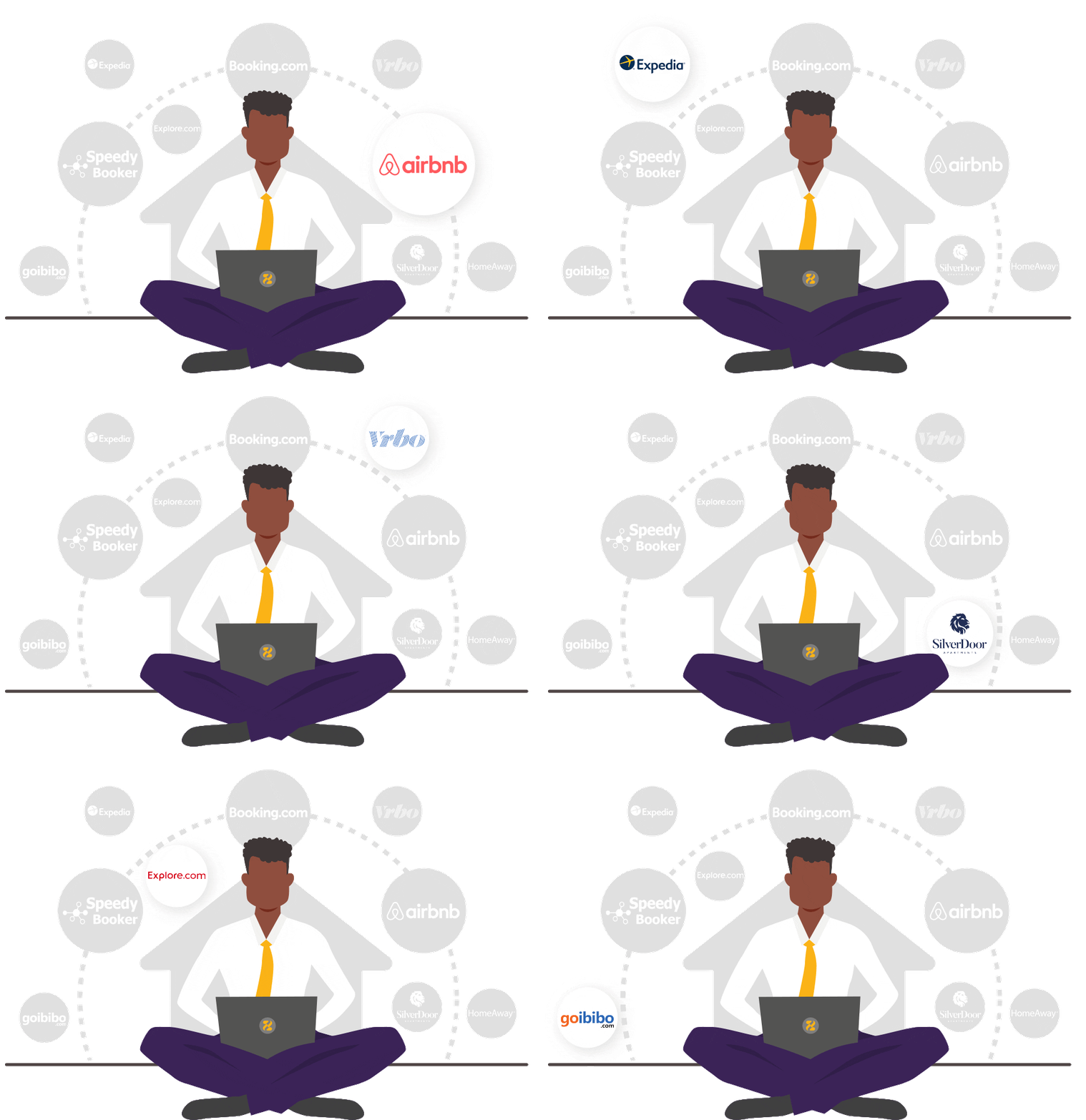
Unlike single-channel integrations, Zeevou's all-in-one property management system connects your properties to 200+ OTA channels, metasearch engines, and vacation rental platforms through one centralized dashboard.
Why Use Zeevou for Multi-Channel Distribution?
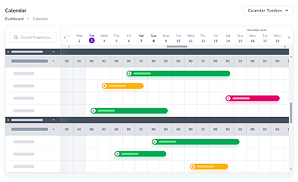
Centralized Calendar Management:
One master calendar synchronizing across all channels automatically. Update availability once in Zeevou, reflect everywhere within 15-30 minutes (iCal) or real-time (API connections).
Prevent Double Bookings:
Automatic blocking across all channels when reservation is received from any source. No manual calendar updates, no costly overbookings, no guest compensation nightmares.
Unified Pricing Strategy:
Set dynamic rates by channel, season, occupancy, or market conditions. Implement last-minute discounts, weekend premiums, or long-stay discounts automatically across all channels simultaneously.
200+ Pre-Built Channel Connections:
Major OTAs (Booking.com, Expedia, Airbnb), vacation rental platforms (Vrbo, HomeAway), metasearch (Google Travel, Trivago), and regional channels ready to activate in minutes.
Zeevou Direct (Free OTA):
List properties on Zeevou's commission-free OTA with automatic distribution to Google Travel (Hotels & Vacation Rentals). Zero setup fees, zero commission, included free forever.
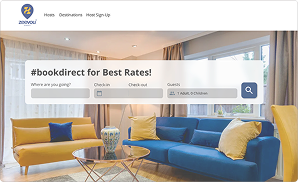
Direct Booking Website Builder:
Create SEO-optimized booking websites with 0% commission. Guests book directly on your branded website, you keep 100% of revenue (save £15-20 per booking in OTA commissions).
Mobile Property Management:
iOS and Android apps allow you to manage bookings, communicate with guests, and update calendars from anywhere. Receive instant booking notifications, respond to inquiries in real-time.
Channel Performance Analytics Dashboard
Track which channels drive the most bookings, highest ADR (average daily rate), and best profit margins:
- Revenue by channel: Gross revenue and net revenue after commission deductions
- Booking volume and conversion rates: Which channels convert browsers to bookers most effectively
- Average booking value per channel: Identify channels delivering high-value reservations
- Cost per acquisition: Total commission + advertising costs per booking
- Guest demographics by source: Understand traveler profiles from each channel
- Booking window analysis: How far in advance each channel's guests book (optimize pricing accordingly)
- Cancellation rates by channel: Identify channels with booking quality issues
Example Insights:
- "Booking.com delivers 45% of bookings but only 35% of revenue (lower ADR than Airbnb)"
- "Vrbo guests book 60 days in advance vs. 14 days for Booking.com (adjust pricing windows)"
- "Google Travel converts at 8% vs. 2% for Expedia (invest more in Hotel Ads)"
Frequently Asked Questions
How many OTA channels should I connect to?
Start with 3-5 major channels (Booking.com, Airbnb, Expedia for global reach) and gradually add regional or niche platforms based on performance. Most successful properties distribute across 8-12 channels to balance reach and management complexity. Beyond 15 channels, marginal returns typically decline unless targeting highly diverse source markets.
Do I need a channel manager to list on multiple OTAs?
Technically no, but practically yes beyond 3 channels. Manual calendar updates create double booking risk (one double booking costs more than 1 year of channel manager fees), operational burden (10-20 hours/month wasted), and missed revenue opportunities (overbooking prevention often means leaving rooms empty). Channel managers automate synchronization across all platforms, paying for themselves within the first prevented double booking.
What's the difference between OTA channels and metasearch?
OTA channels (Booking.com, Airbnb, Expedia) allow direct booking through their platform and charge 15-20% commission on every reservation. Metasearch engines (Google Travel, Trivago, Kayak) compare rates from multiple sources and redirect travelers to OTAs or your direct booking website. Metasearch typically charges CPC (cost-per-click) advertising fees or zero commission if directing to your website.
Can vacation rentals list on hotel OTAs like Booking.com?
Yes. Booking.com, Expedia, and Hotels.com actively accept vacation rentals, apartments, and unique stays (launched VR categories 2015-2018). Vacation rental-specific platforms (Airbnb, Vrbo) may offer better conversion rates for non-hotel properties due to traveler expectations, but hotel OTAs provide additional distribution reach. Most successful vacation rentals use both hotel OTAs and VR-specific platforms.
How do I avoid double bookings across multiple channels?
Use a channel manager (like Zeevou) that automatically blocks calendars across all platforms when a reservation is received. iCal synchronization provides 15-30 minute updates; API connections offer real-time blocking. Manual calendar management beyond 2 channels is not sustainable—human error inevitably causes double bookings, guest complaints, and revenue loss.
Which channels have the lowest commission rates?
Regional platforms and niche channels typically charge 10-15% vs. 15-20% for major OTAs. Vrbo offers a subscription model ($499-899/year) instead of per-booking commission for high-volume properties. Metasearch (Google Travel directing to your website) and direct booking websites have 0% commission but require investment in booking technology and advertising. Break-even analysis: if you book 25+ reservations/month, zero-commission channels recover setup costs within 3-6 months.
Can I set different prices on different channels?
Yes, but with caveats. Dynamic pricing strategies allow channel-specific rates based on commission costs, audience demographics, or market positioning. However, rate parity agreements with some OTAs restrict showing lower rates on other platforms (Booking.com, Expedia enforce strict rate parity). Best practice: match rates across major OTAs, offer exclusive discounts on your direct booking website (allowed), and adjust rates on smaller channels for commission differences.
How long does it take to connect a new channel?
Setup time varies by integration method:
- iCal connections: 30 minutes (export calendar URL from channel manager, import to OTA)
- API integrations: 1-3 days for approval (OTA reviews property details before activating)
- Property mapping: 15 minutes per property (match Zeevou properties to channel listings)
- Content optimization: 1-2 hours (photos, descriptions, amenities tailored to each channel)
Full multi-channel distribution can be operational within one week. Start with fastest channels (iCal) while waiting for API approvals.
Conclusion
Strategic multi-channel distribution maximizes visibility, occupancy, and revenue for hotels and vacation rentals by reaching diverse traveler demographics across the booking journey. By connecting to the right mix of OTA channels, vacation rental platforms, metasearch engines, and regional sites, properties can diversify booking sources while maintaining operational efficiency.
The most successful properties allocate 60% of resources to their top 3 channels (80/20 rule), maintain 8-12 active channels total, and continuously shift revenue mix toward 30-40% direct bookings to reduce OTA dependency and increase profit margins.
Zeevou simplifies multi-channel management with 200+ pre-built connections, automatic calendar synchronization, centralized operations, and commission-free direct booking tools—all from one platform.
Start with Zeevou Forever Free to connect your first channels at zero cost.